
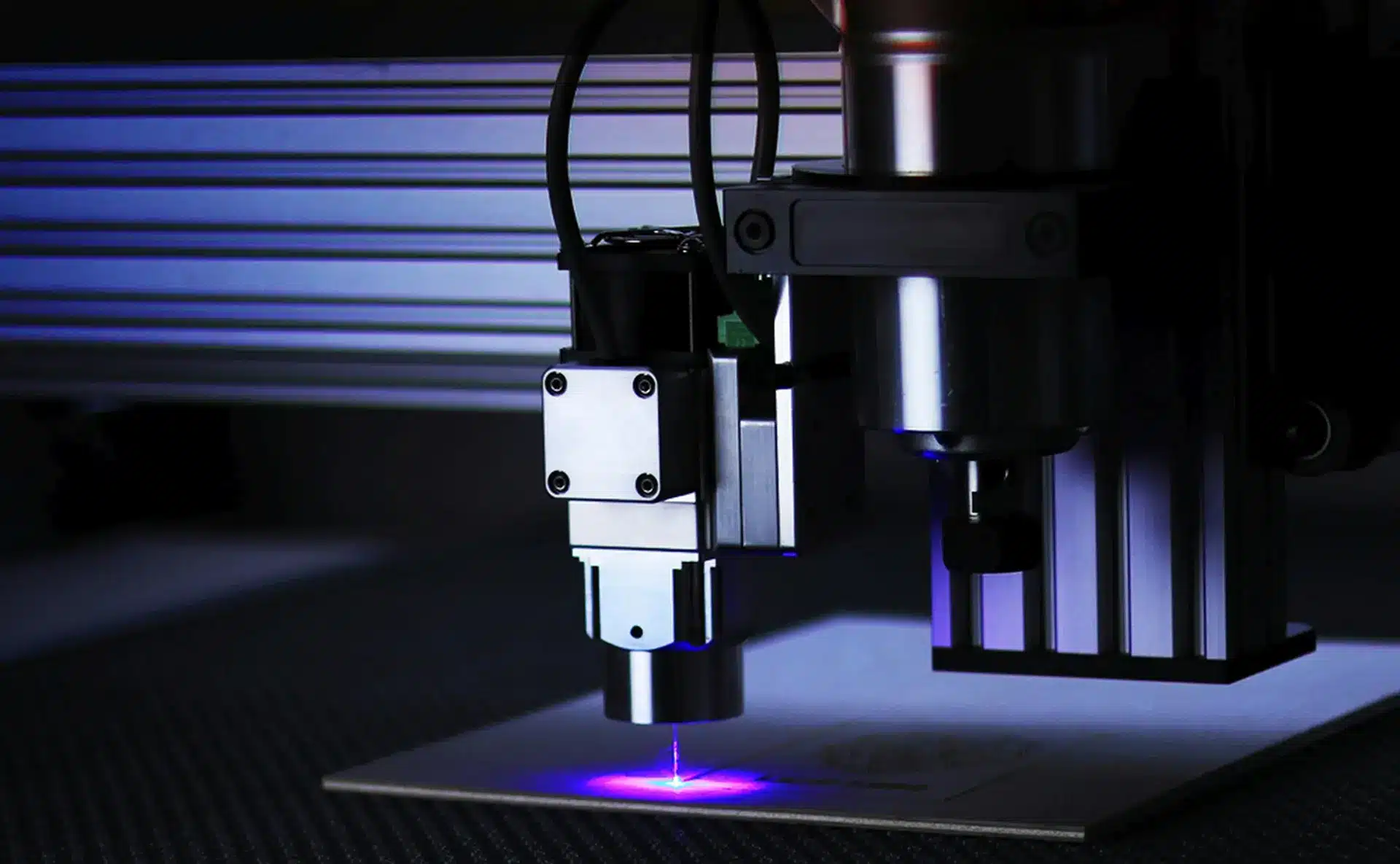
Understanding Laser Enclosure Requirements: A Comprehensive Guide
Lasers have become indispensable in various fields, including manufacturing, medicine, research, and consumer electronics. However, the power and precision that make lasers so valuable also pose significant safety risks. To mitigate these risks, proper laser enclosures are essential. This blog post explores the critical aspects of laser enclosure requirements, ensuring a safe environment for both operators and equipment.
Importance of Laser Enclosures
Laser enclosures serve as a protective barrier between the laser beam and the surrounding environment, safeguarding against accidental exposure to laser radiation, which can cause serious eye and skin injuries. Additionally, enclosures protect sensitive laser components from environmental contaminants, thereby enhancing operational stability and longevity.
Key Requirements for Laser Enclosures
- Material and Durability: The enclosure material must be durable and capable of absorbing or reflecting the laser’s wavelength to prevent transmission. Common materials include metals, specialized plastics, and laser-safe glasses, each chosen based on the specific laser type and application.
- Interlock Systems: Safety interlocks are critical components of laser enclosures. These systems ensure that the laser can only operate when the enclosure is securely closed, thereby preventing accidental exposure during operation.
- Visibility and Access: While enclosures must block or attenuate the laser beam, they should also allow for visibility (when safe) and access for maintenance and adjustments. This often involves the use of laser-safe viewing windows and doors designed to filter out harmful wavelengths while providing visual access.
- Ventilation and Cooling: High-powered lasers can generate significant heat, necessitating efficient ventilation and cooling within the enclosure to prevent overheating of the laser and associated components.
- Compliance with Standards: Compliance with international and local safety standards is non-negotiable. In the United States, the American National Standards Institute (ANSI) Z136 series provides guidelines for laser safety and enclosure requirements. Globally, the International Electrotechnical Commission (IEC) 60825 standards are widely recognized.
- Ergonomics and Usability: Enclosures should be designed with the operator in mind, ensuring ease of use, adequate space for operations, and ergonomic access to controls and components without compromising safety.
- Customization for Specific Applications: Given the diverse applications of lasers, enclosures often need to be customized. For example, in medical applications, enclosures might need to be sterile and easily cleanable, whereas in industrial settings, robustness and resistance to harsh conditions might be prioritized.
Implementation Challenges and Considerations
Designing and implementing an effective laser enclosure involves careful consideration of the laser’s characteristics (e.g., wavelength, power), the application, and the operating environment. Challenges can arise from balancing safety requirements with operational efficiency and cost considerations. Additionally, evolving laser technologies and applications may necessitate ongoing revisions to enclosure designs and standards.
Conclusion
Laser enclosures are a fundamental aspect of laser safety, designed to protect both users and equipment from the potential hazards of laser operation. By adhering to established safety standards and considering the specific needs of each application, it’s possible to create safe and effective laser workspaces. As laser technology continues to advance, the importance of understanding and implementing proper enclosure requirements cannot be overstated. Ensuring safety through well-designed laser enclosures not only complies with legal and ethical standards but also enhances the efficiency and longevity of laser operations.

Leave your Enclosure
in Expert Hands
Connect with one of our enclosure specialists and find out how strength, precision and control can boost your business.
- +35 years of experience
- Coast-to-coast service
- All design, engineering, and production done in-house
Related Posts
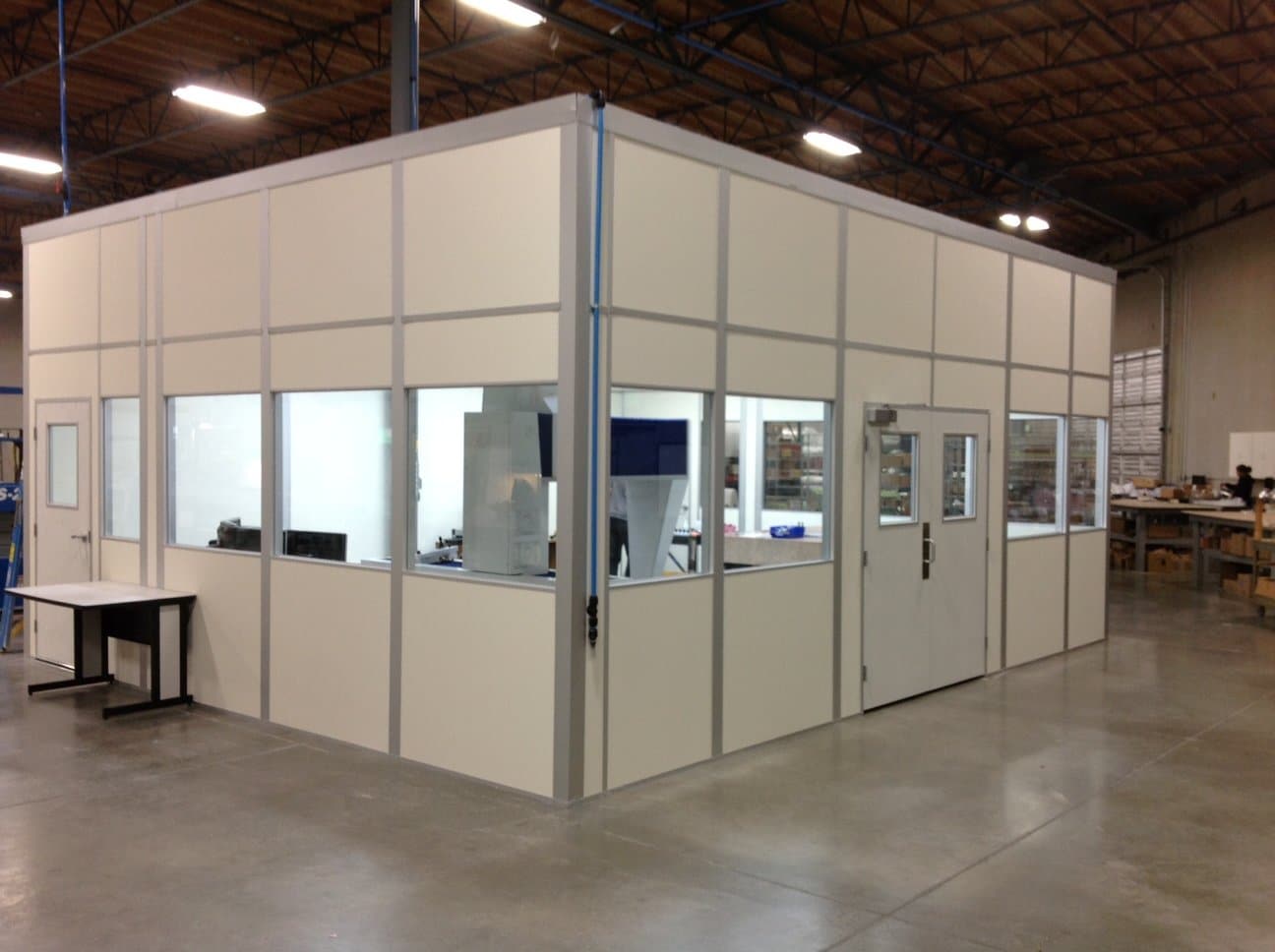
November 8, 2026
What Most People Get Wrong About Machine Enclosures
Most people don’t start looking into machine enclosures until they have a specific problem. Whether it’s from noise, air quality, OSHA issues, or something else. But by the time they
Read More
October 28, 2026
Can Machine Enclosures Reduce Your Workers Comp Costs?
If you run a manufacturing floor, you already know what workers comp costs you. What you might not have thought about is how much of that cost traces back to
Read More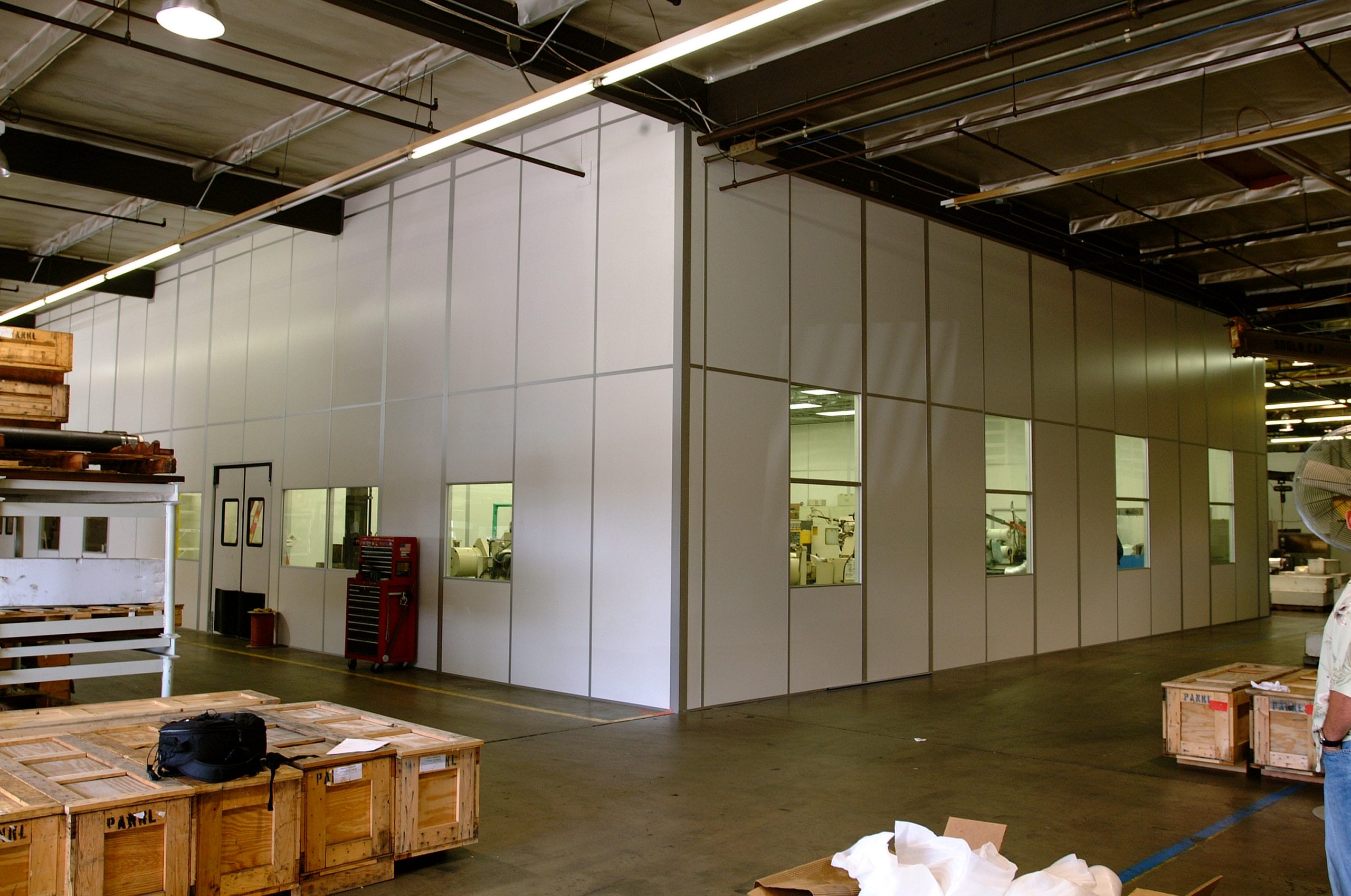
October 13, 2026
How to Add a Machine Enclosure to Equipment Already Running
Let’s say you’ve got a machine that needs to be enclosed. Perhaps you’re trying to sort out a noise issue, or maybe it’s air quality. But every time it gets
Read More