Milling Machine Enclosures: The Basics
In modern manufacturing, milling machines are often indispensable. But that doesn’t mean the mess they make has to come along with them. Everyone knows that chips can go flying, which creates an unsafe atmosphere, with noise getting out of hand as well. With milling machine enclosures, you can keep all of that in check. In this article, we’ll cover what they are, their benefits, features, and more.
What Are Milling Machine Enclosures?
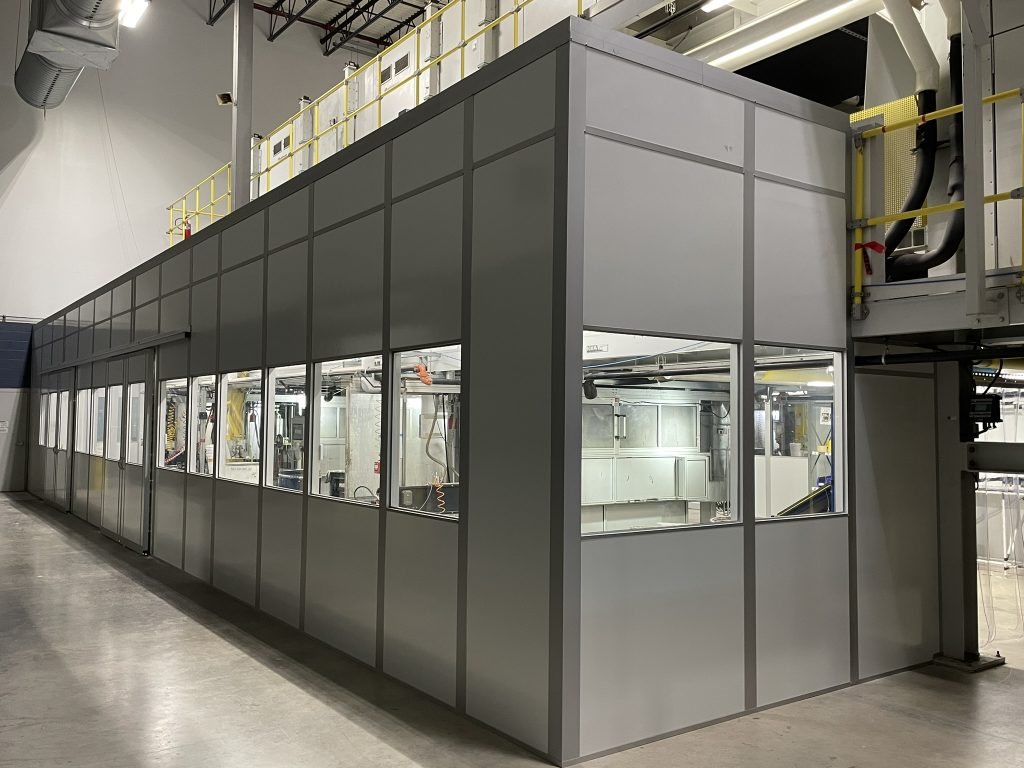
A milling machine enclosure is essentially a housing for part or all of a milling machine. They help contain things like chips and dust, but also sequester the equipment such that nearby workers aren’t harmed by fast-moving parts.
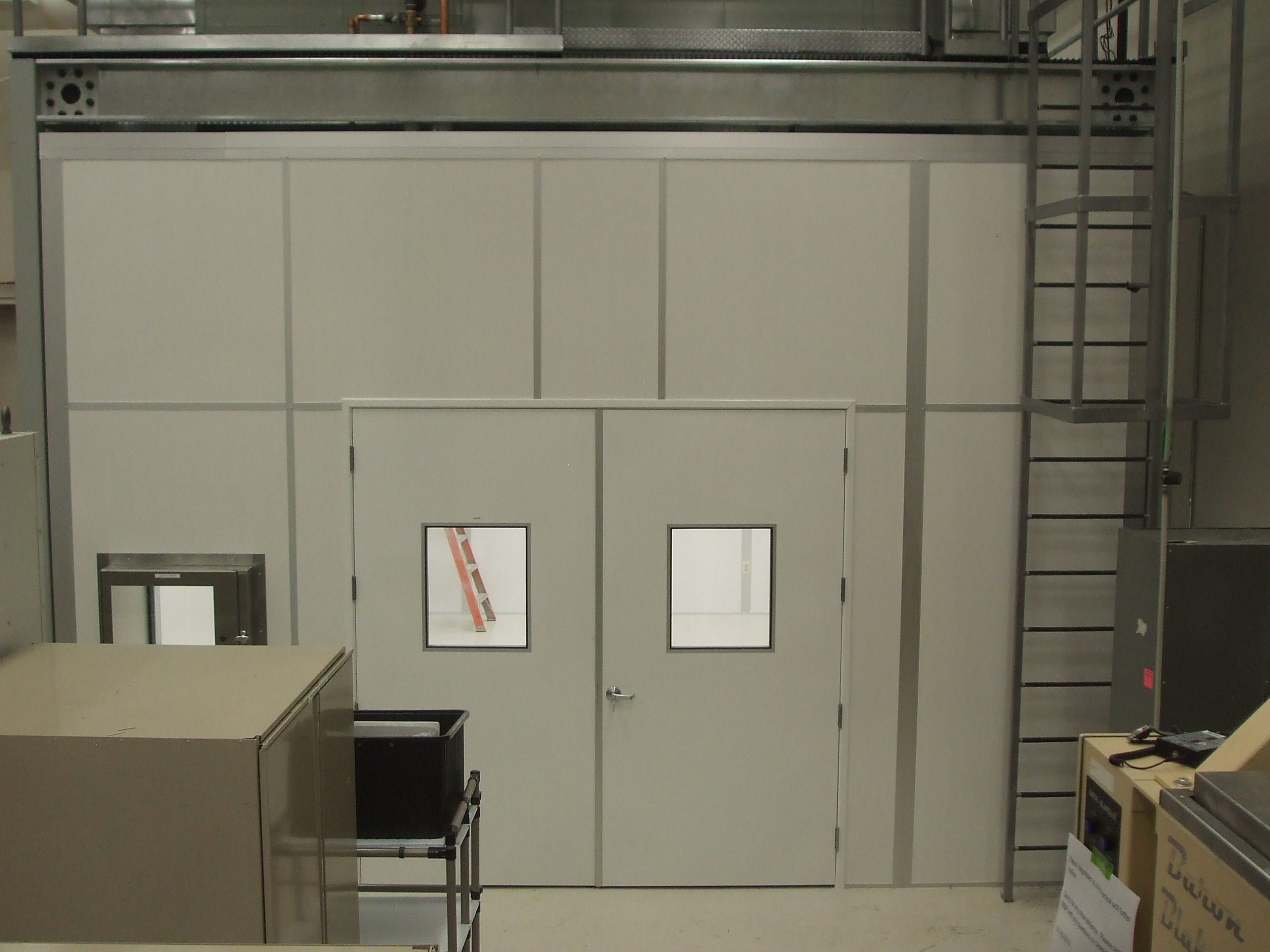
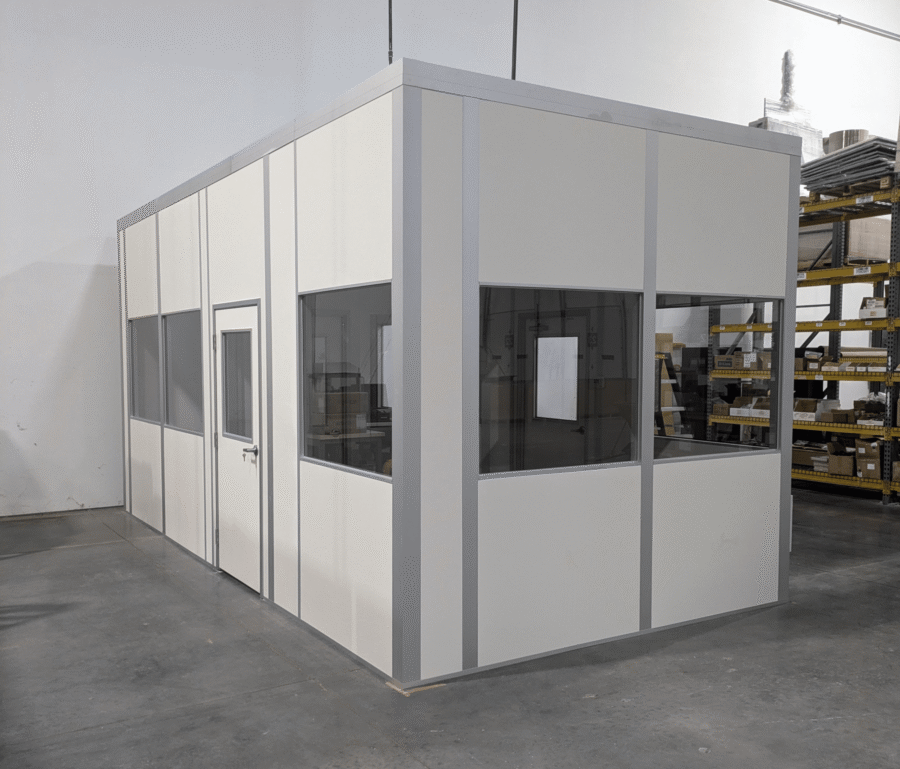
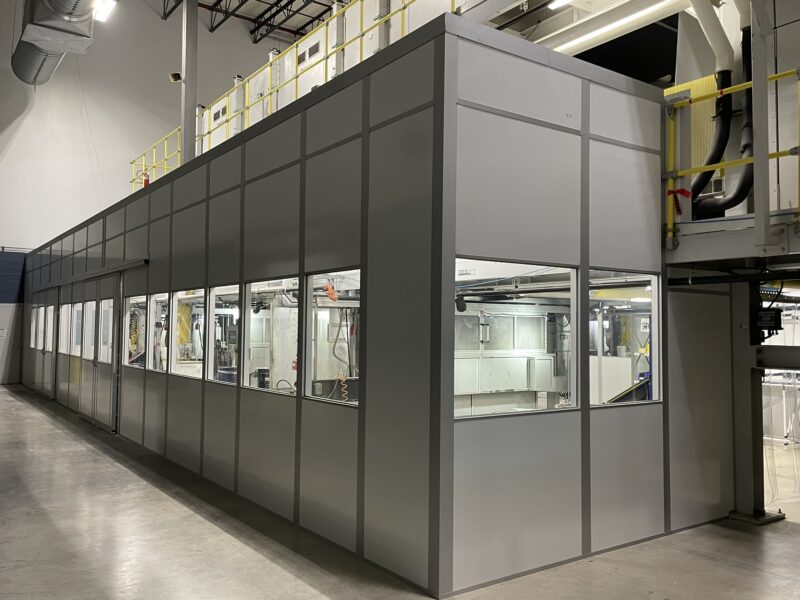
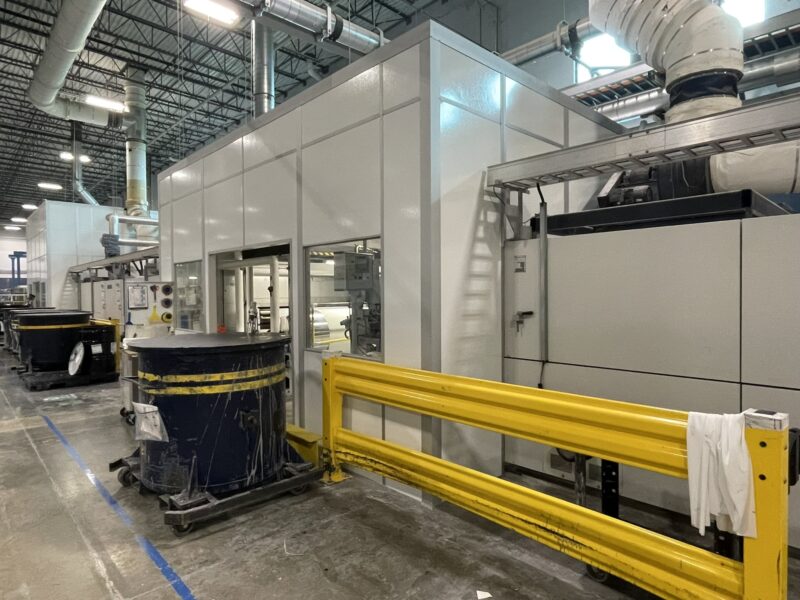
Most of them are made from a metal frame, typically anodized aluminum, and may have solid or clear panels, the latter of which is made from polycarbonate or acrylic, and is used if the inside needs to be monitored. The solid panels can be made from a variety of materials, including fiberglass-reinforced plastic, powder-coated steel, PVC, and composite materials, among others.
They can also come with a whole host of features, including roll-up doors, interlocking doors, safety locks, lighting, HVAC systems, and more.
Benefits of Using Milling Machine Enclosures
Installing an enclosure on your milling machine can bring several benefits to your shop floor. Though we’ve touched on some safety issues already, this isn’t the only reason a milling machine enclosure is a good idea. Here are a few of their biggest benefits:
1. Protection from Chips and Coolant
It should come as no surprise that milling creates a lot of waste. Metal chips and coolant may shoot out haphazardly, and an enclosure helps keep all this inside, which is a benefit for overall cleanliness as well as safety.
2. Lower Noise Levels
These machines can also get rather loud, and enclosures can help block the noise. In shops with many machines running, or where teams are crammed inside a space, some sound protection can go a long way. Some milling enclosures use sound-dampening panels or seals to absorb noise even further. All this can help you better comply with OSHA standards on occupational noise exposure.
3. Cleaner Air
In a shop or factory, the dust and vapors can accumulate, spreading throughout the open air, clouding it and creating unpleasant odors and poor air quality. An enclosure can contain and remove these byproducts, leading to a cleaner workspace overall and better air quality.
4. Heat and Airflow Control
For work that requires a high degree of precision, enclosures can control conditions as needed. If you need to keep temperature or humidity within certain ranges, an enclosure can help manage them. Some environments even use fans or vents to direct airflow so that machines do not overheat.
5. Better Compliance
We already mentioned that they can reduce noise hazards, but milling enclosures can also help you meet other OSHA and ANSI safety standards. For example, OSHA’s general machine guarding rule (29 CFR 1910.212) applies to milling machines; ANSI guidelines also recommend physical barriers or interlocks, especially for CNC machines.
What Are Some Applications of Milling Machine Enclosures?

Milling machine enclosures are used in many industries. Some common applications include:
- CNC machining shops
- Aerospace manufacturing
- Medical devices
- Automotive
- Electronics
- Defense
Materials, Construction, and Important Features
The effectiveness of a milling machine enclosure depends largely on the materials used, as well as the features it contains. Here are some of the most important factors to consider when choosing an enclosure.
Structural and Panel Materials
- Frame options:
- Anodized aluminum: Lightweight, doesn’t corrode or rust easily, great for modular or smaller enclosures.
- Powder-coated steel: Heavier and more rigid.
- Panel types:
- Polycarbonate: Clear, impact-resistant, good for CNC and high-speed machines.
- Acrylic: Clear and low cost, better for low-impact or lower-speed use.
- Tempered safety glass: Scratch-resistant but heavier and more expensive.
- Solid panels: Often made from fiberglass-reinforced plastic (FRP), powder-coated steel, PVC, or composite materials, depending on the environment.
Features
- Door types: Sliding, swing-out, or lift-up doors for easy access to the machine.
- Viewing windows: Clear panels allow operators to monitor operations without opening the enclosure.
- Interior lighting: Built-in LED lighting improves visibility for part setup and inspection.
- Automation compatibility: Access ports or hatches can be added for robotic arms, conveyors, or part feeders.
Safety and Containment Options
- Interlocks: Automatically stop the machine if a door is opened.
- Mist extraction ports: Connect to mist collectors to remove coolant spray or airborne particles.
- Seals and gaskets: Help contain noise, mist, and debris, especially in enclosed or high-precision environments.
The Bottom Line
Milling machine enclosures help solve common shop issues, like flying chips, coolant spray, excess noise, and safety risks. They also help improve air quality, and keep you aligned with OSHA and ANSI standards. If you’re running mills without enclosures, you’re leaving safety and efficiency on the table.
Interested in adding an enclosure to your shop? Reach out to the experts at MachineEnclosure.com today for a quote on new buildouts.