How to Reduce Noise in Factories: A Simple Guide
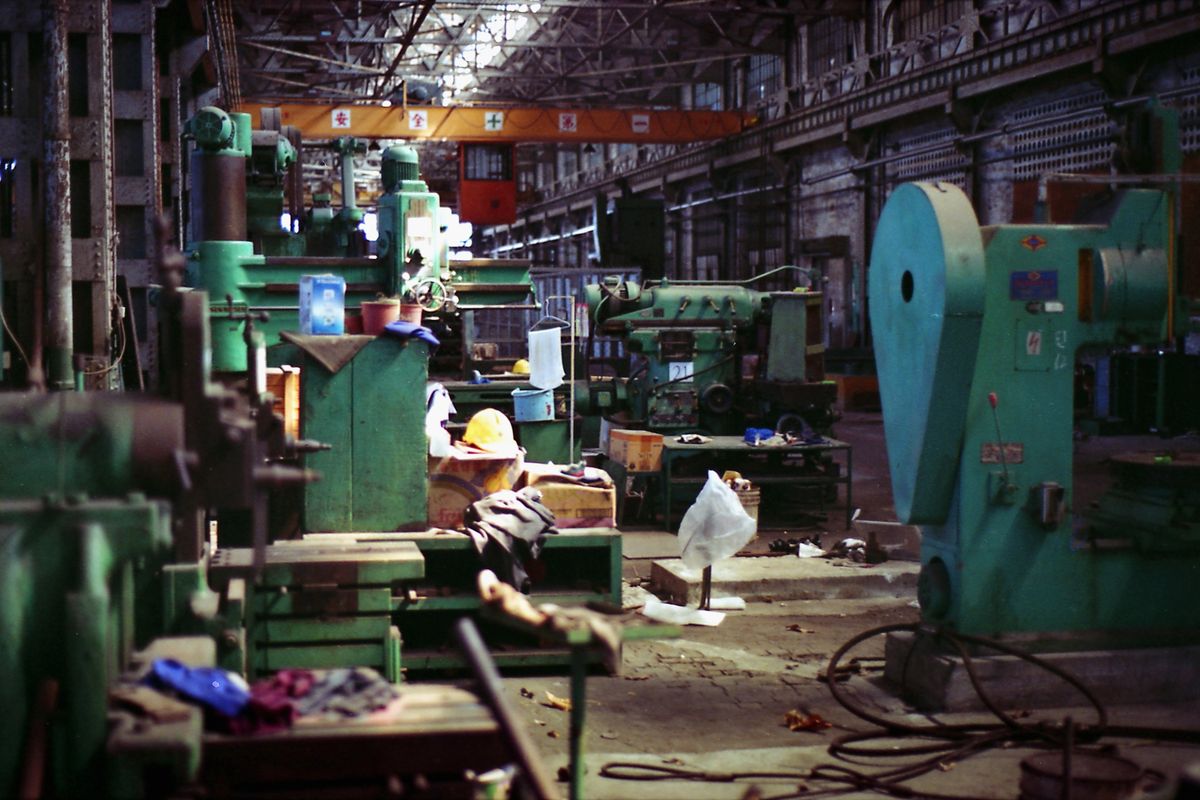
Most manufacturing floors operate somewhere between 90 and 100 dBA, and some go even higher. Needless to say, this is very loud, and it creates more problems than just the noise itself.
In this article, we’ll cover how and in what ways factory noise becomes a problem, the most common ways to reduce it, and how to figure out which approach makes the most sense for your own situation.
Why Factory Noise Can Become a Problem
Noise is one of those things that most have come to expect in a factory. It’s assumed that it is normal, but beyond a certain threshold, it can cause a lot more problems than most people realize.
There is, first of all, the health side of things, which is the most serious. Prolonged exposure to any noise above 85 dBA can cause permanent hearing loss, and it happens gradually enough that workers often don’t notice until it’s too late.
And then there’s the OSHA/regulatory side, because once your noise levels hit 85 dBA as an 8-hour average, you’re required to implement a hearing conservation program.
This is supposed to include things like noise monitoring, annual hearing tests, hearing protection, training, and recordkeeping.
Further, when you get to 90 dBA, OSHA even requires that you start using engineering controls to bring the noise down. To be frank, none of this is very cheap or simple to keep up with.
Beyond safety and regulations, loud factories can make it difficult for workers to communicate, and this in turn can create its own kind of safety issues and operational risks. And nobody wants to work in environments that are too loud.
The good news is that there are a lot more solutions to this problem than people realize.
Ways to Reduce Factory Noise
While there’s no single one solution that applies to all cases, most fall into a few main categories.
Machine Enclosures
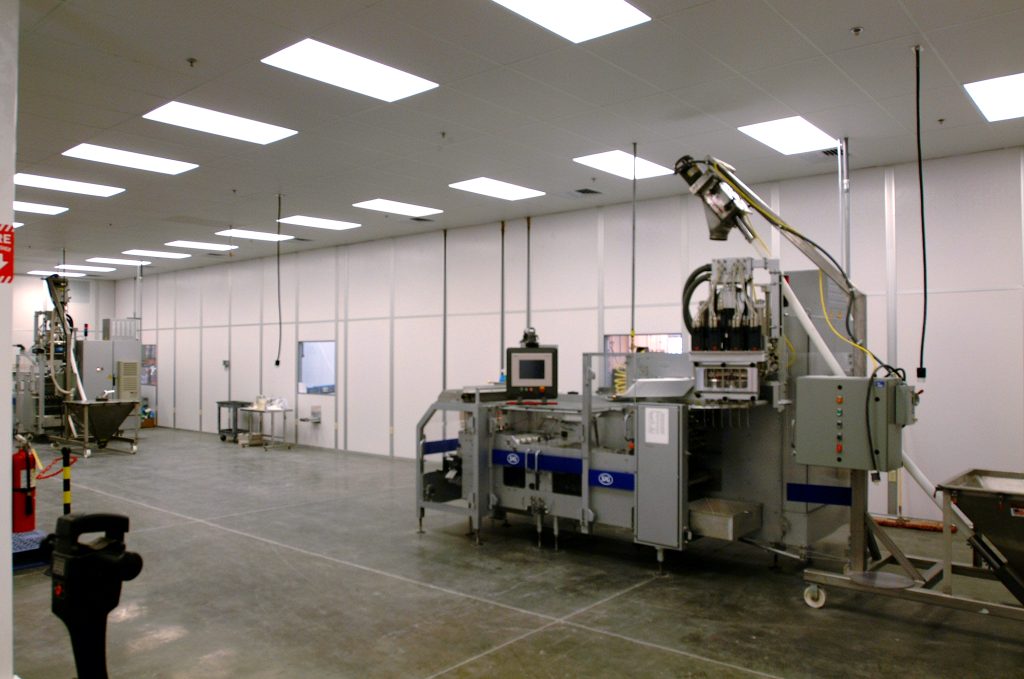
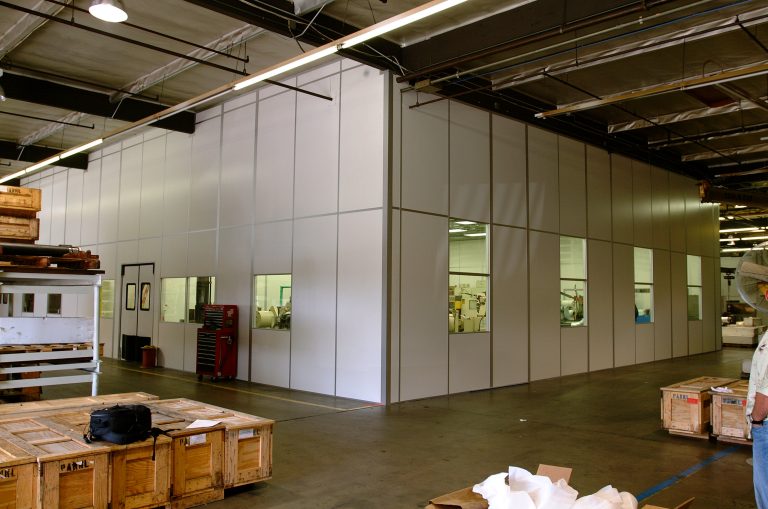
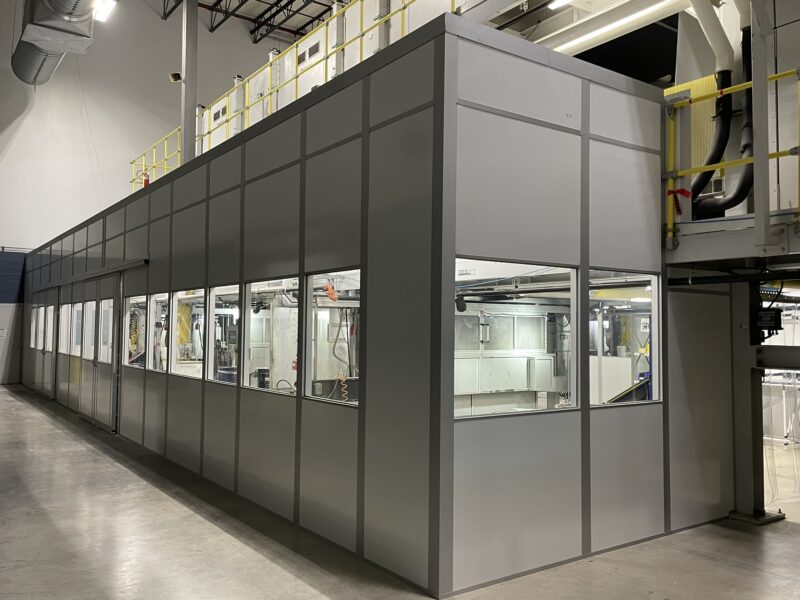
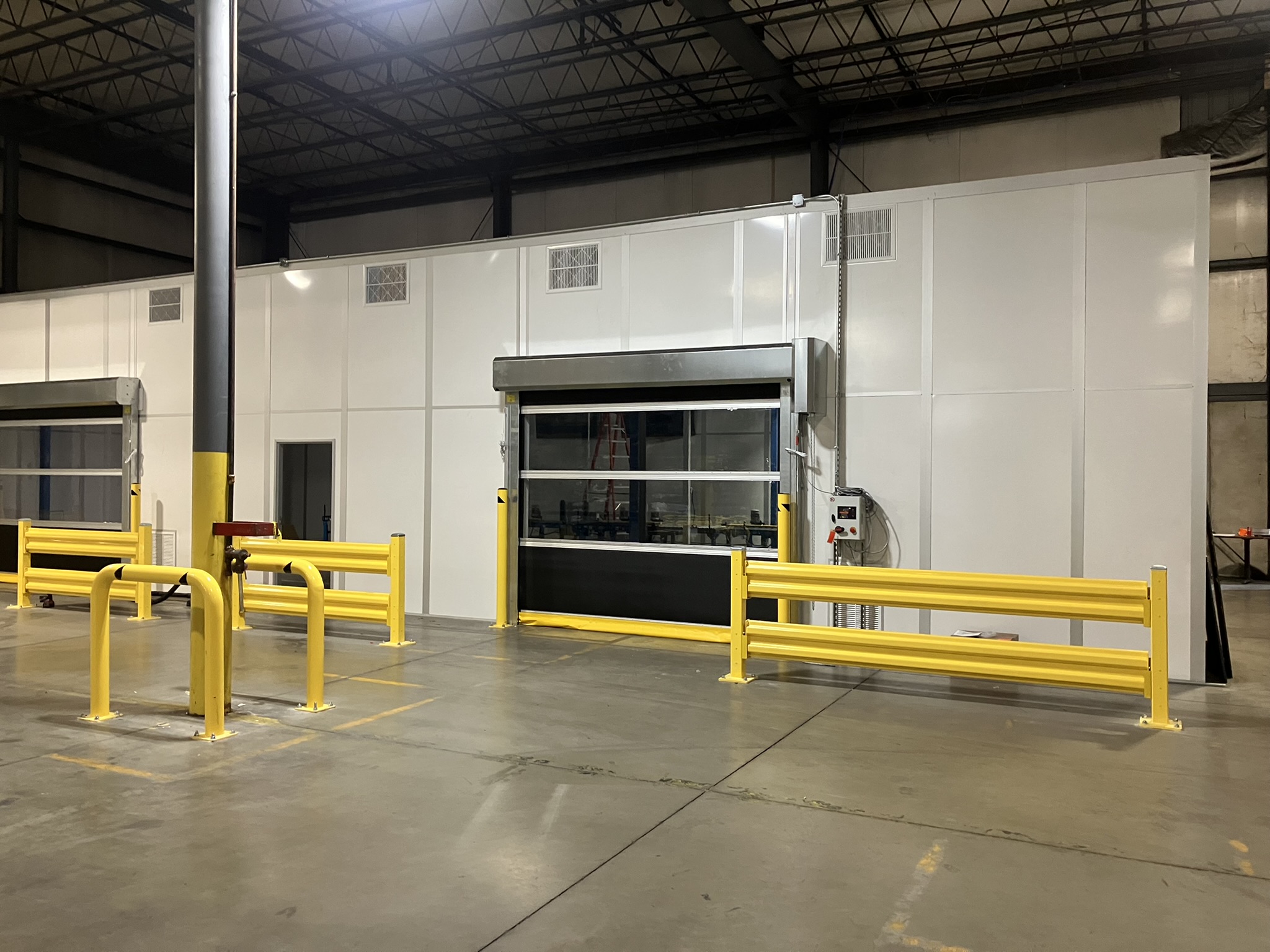
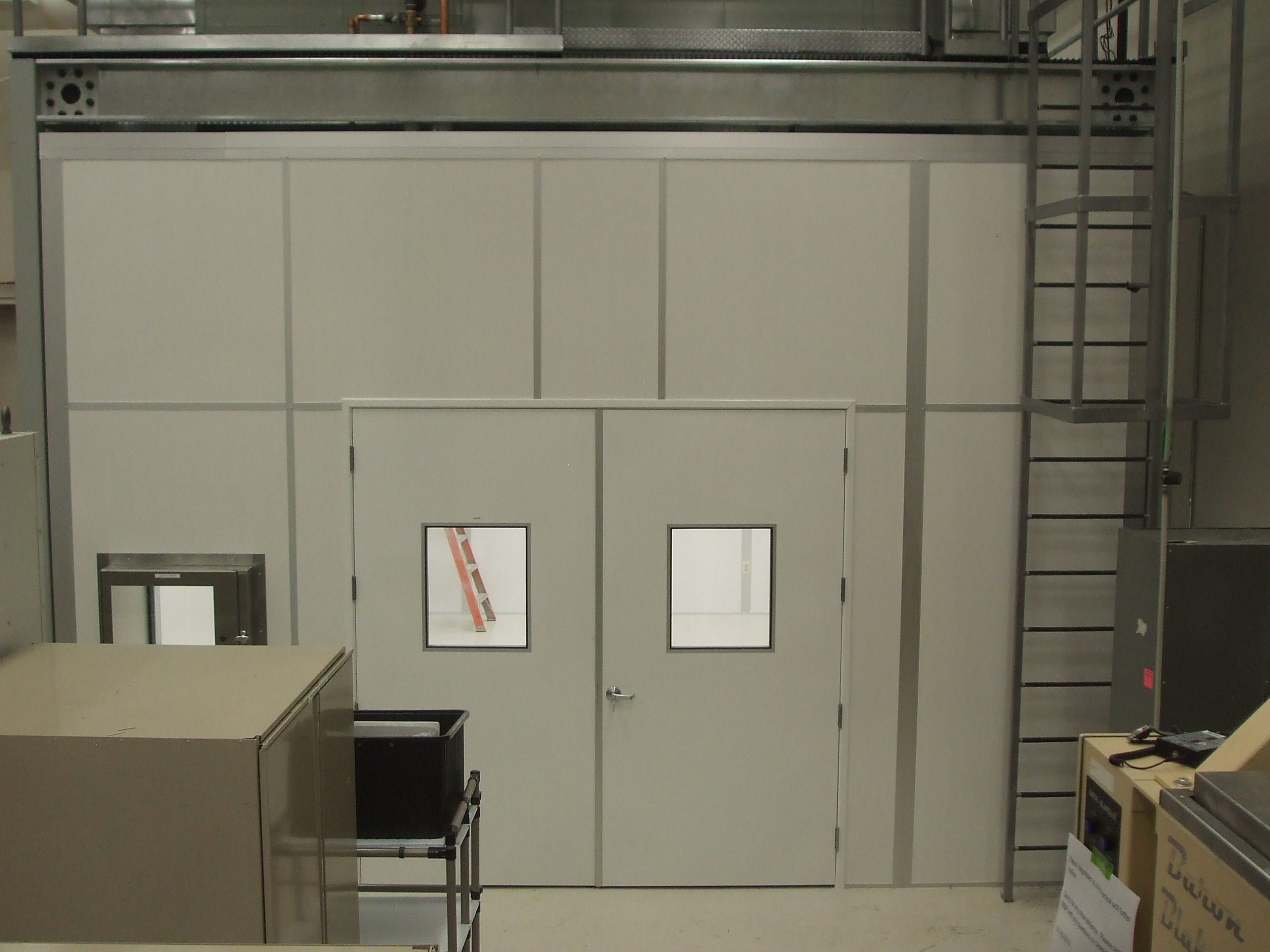
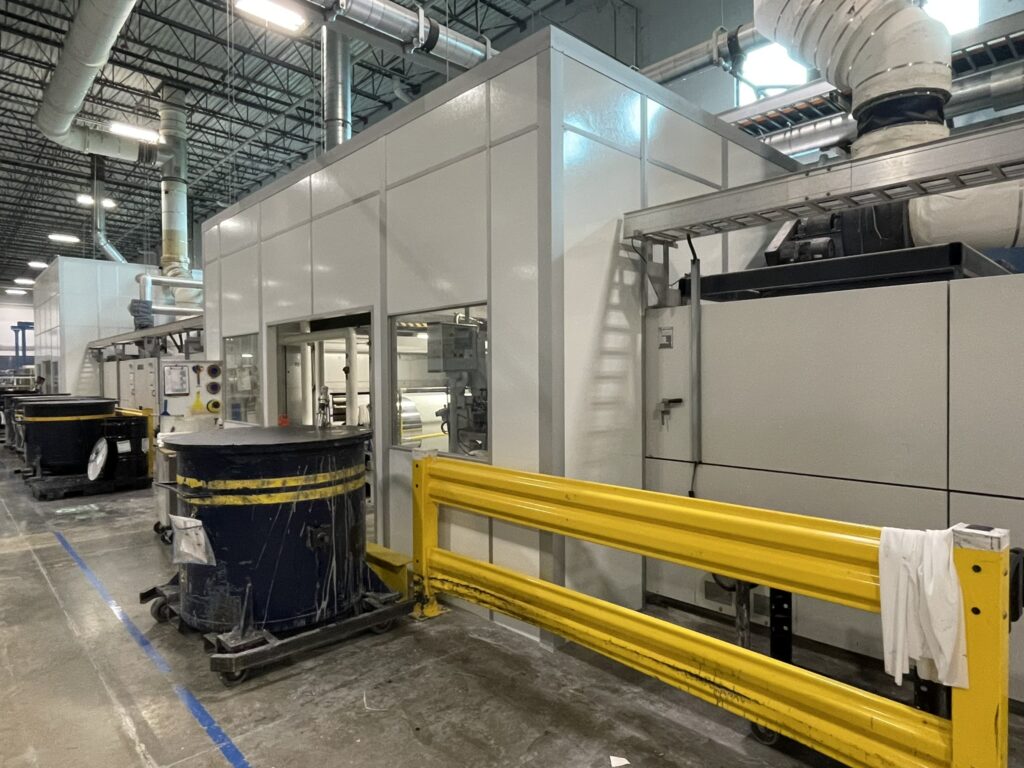
One of the most effective ways to reduce noise is to simply enclose the machine that’s creating it. A machine enclosure surrounds the equipment with insulated panels that block sound from reaching the rest of the floor.
This works well for individual machines that are especially loud, like CNC machines, presses, grinders, or other automated equipment. The enclosure stops the noise at the source, which is exactly what OSHA’s hierarchy of controls calls for.
Depending on the design, enclosures can also help with other issues at the same time, like reducing dust and other airborne particles, temperature and humidity control, and much more.
The important thing to remember is that the enclosure has to be built with the right materials. Heavier, denser panels will block more sound, and making sure joints are sealed helps prevent noise from leaking through.
Sound-Absorbing Materials
Hard surfaces like concrete, metal, and steel can reflect sound and make it bounce around the facility. This is called reverberation, and it’s a big reason why factories are louder than they need to be.
Adding sound-absorbing materials like acoustic panels, baffles, or foam to walls and ceilings can cut down on reflected noise.
It won’t reduce the sound coming directly from a machine, but it can lower the overall noise level on the floor by reducing how much sound bounces around.
This approach works best for general background noise rather than one specific loud machine.
Equipment Maintenance
This one is pretty simple but often overlooked. Machines tend to get louder as they wear out, and loose parts vibrate more. Also, worn bearings create noise that wasn’t there before.
Of course, keeping up with regular maintenance won’t completely eliminate noise, but it can prevent machines from getting louder over time. It’s also probably the cheapest noise reduction strategy there is.
Layout and Spacing
Where you decide to place your machine is also important when it comes to noise.
Putting loud equipment away from areas where people spend most of their time reduces exposure, and grouping noisy machines together in one area, and then sectioning off that area with sound-absorbing materials or enclosures, can also help significantly.
This is easier to do during a new build or a floor reconfiguration, but even small changes to layout can make a big difference.
Vibration Isolation
Unfortunately, noise doesn’t only travel through the air. It also moves through the floor and building structure. A machine that vibrates can transfer that vibration to the floor, which then carries it to other parts of the facility.
Tools like anti-vibration mounts, pads, and springs placed under equipment can significantly reduce this transfer.
Hearing Protection (PPE)
Finally, you can add hearing protection. But admittedly, this is not a great choice.
Earplugs are the most common response to factory noise, and they do work. But they should be the last option rather than the first.
OSHA’s hierarchy of controls says employers should try to reduce noise through engineering controls (like enclosures and sound-absorbing materials) and administrative controls (like limiting exposure time and adjusting schedules) before depending on PPE.
Hearing protection is important, but it doesn’t actually make the workplace quieter.
Which Approach Is Right for You?
The solution you choose will depend on where your noise is coming from and what’s causing it.
If you have one or a few machines that are significantly louder than everything else, a machine enclosure is probably the most effective solution.
If your whole floor is loud and the noise bounces around, sound-absorbing materials on walls and ceilings can help bring the general level down.
If you’re building a new facility or reconfiguring your floor, layout changes are worth considering from the start.
And in most cases, the best results come from combining a few of these strategies together rather than depending on just one.
If you’re dealing with loud machinery and looking for the most effective way to contain it, a machine enclosure is worth looking into. At MachineEnclosure.com, we design and build sound-reducing enclosures for all kinds of manufacturing equipment. Reach out today to talk about your setup and get a quote.