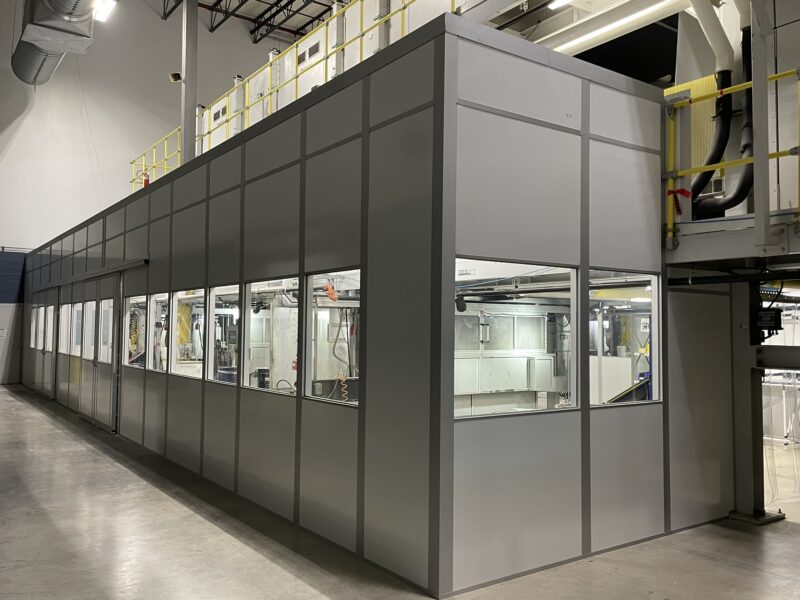
5 Signs You May Need a Machine Enclosure
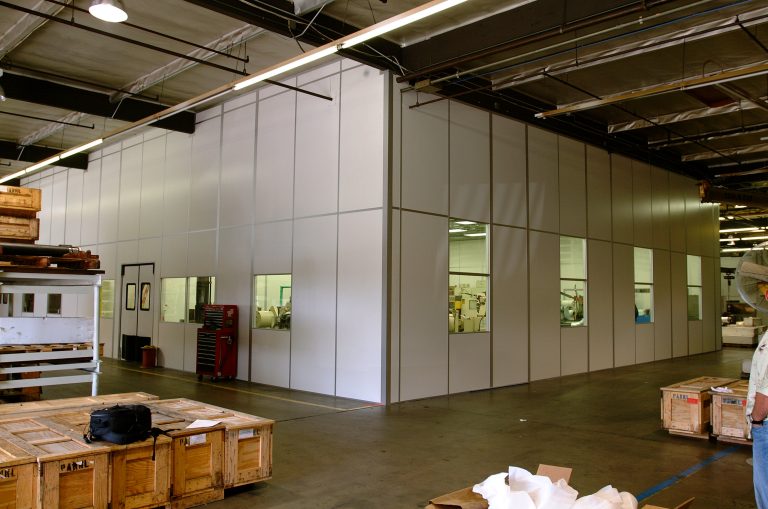
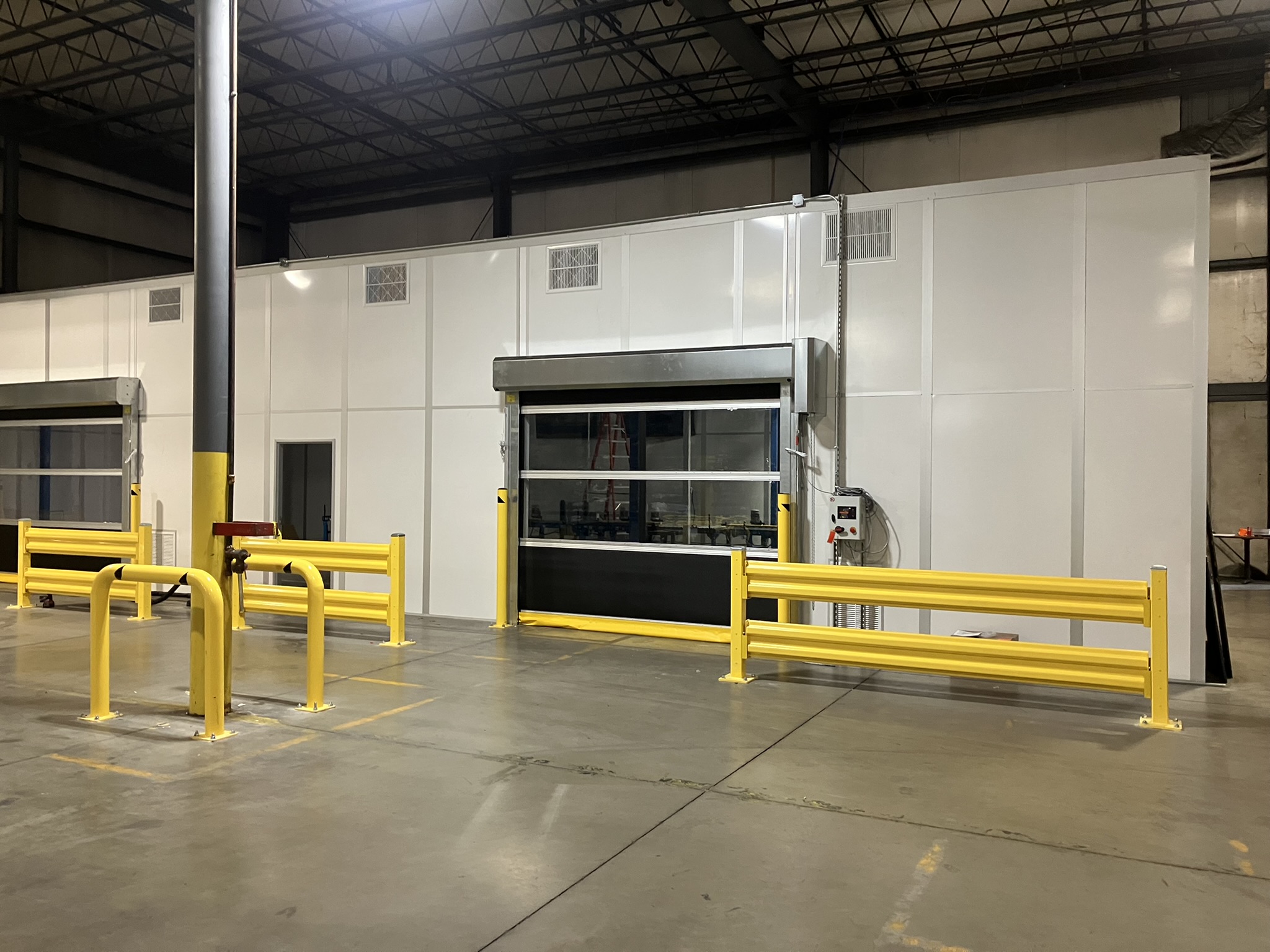
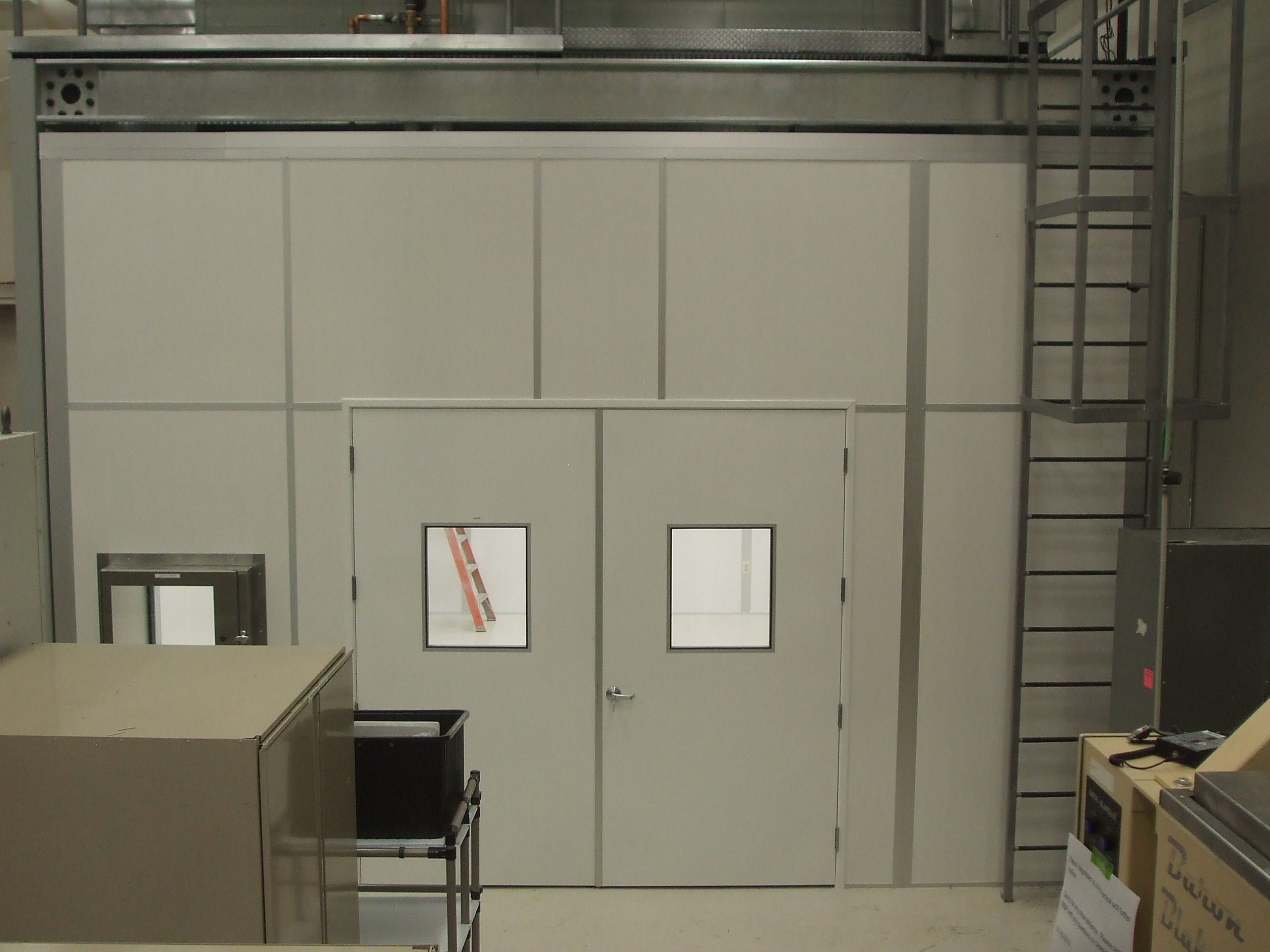
A machine enclosure can seem like an unnecessary expense, at least right up until the problems around a machine start costing more than the enclosure itself.
Sometimes the warning signs are obvious, but more often than not they are subtle, showing up as recurring costs, quality issues, or safety problems that are easy to treat separately or outright ignore.
Here are five tells that a machine enclosure might be worth considering.
1. You’re Getting OSHA Citations
This is the most obvious one. If you’ve been cited already for things like machine guarding, noise, air quality, or slip hazards, you should know by now that there’s a problem.
The question you should be asking is how to fix it most efficiently (ideally without five different solutions).
A machine enclosure can help you address multiple OSHA standards at once: (1) guarding (1910.212), (2) noise (1910.95), (3) air quality (1910.134), (4) slip and fall hazards (1910.22), (5) and even lockout/tagout (1910.147). Depending on how it’s designed, this can all be achieved with only one enclosure.
Most know that a single serious citation can cost up to $16,550, but repeat or willful violations can exceed $165,000. One enclosure that covers several of those areas starts to look like a bargain pretty quickly.
2. Rejection Rates Are Too High
Sometimes manufacturers don’t have a problem with the machine itself, but instead the environment around it.
Temperature changes, even relatively minor ones, can cause metals to expand and contract.
A few degrees of variation over the course of a day can be enough to push parts out of spec, which is a problem when you’re working in microns or thousandths of an inch. Likewise, humidity can affect materials and electronics. And dust and other particles can contaminate surfaces or interfere with measurements.
For CMMs in particular, most manufacturers recommend operating at 20°C (68°F) with fluctuation of only ±1°C.
Without that kind of stability, your measurements may not even be accurate.
An enclosure that controls temperature, humidity, and air quality gives the machine a stable environment to work in, and for many manufacturers, the reduction in rejected parts alone is enough to justify the cost.
3. Your Shop Floor Is Getting Loud
Many manufacturing floors operate somewhere between 90 and 100 dBA, and some go even higher. Once noise levels hit 85 dBA as an 8-hour average, OSHA requires a hearing conservation program. This can include things like noise monitoring, annual hearing tests, training, hearing protection, and recordkeeping. At 90 dBA, they want you to start using engineering controls to bring the noise down.
None of this is cheap or easy to keep up with.
But a machine enclosure with sound-absorbing materials can reduce noise right at the source, which is what OSHA’s hierarchy of controls calls for.
In some cases, it can bring levels below that 85 dBA threshold entirely, which means you may not need the hearing conservation program at all.
4. There’s Debris Everywhere
If you walk through your plant, is there coolant overspray on the floor? Are there metal chips in walkways?
Or perhaps dust is settling where it shouldn’t?
All these are signs that what should be staying within the vicinity of your machine is spreading elsewhere.
This can be a problem for more than a few reasons.
Take coolant on the concrete floor, for instance. A slip or fall can easily lead to a workers’ comp claim. OSHA’s walking/working surface standards (1910.22) specifically cover this, and inspectors do look for it.
And then, there’s the matter of air quality. An abundance of fine particles in the air can trigger respiratory protection requirements under 1910.134. That means fit testing, medical evaluations, training, and ongoing program management.
An enclosure keeps all these matters contained.
5. You’re Spending Too Much Spending on Compliance
Things like hearing conservation programs, respiratory protection, extra PPE, additional training, monitoring, and recordkeeping all cost money continuously.
If most of that spending is driven by one or a few machines, it’s worth asking whether containing those machines would reduce or eliminate some of it.
An enclosure that brings noise below 85 dBA could take the hearing conservation program off the table. One that contains dust and other contaminants may remove the need for a respiratory protection program. And one that keeps debris contained could cut down on slip hazards.
If a big chunk of your compliance costs are tied to problems an enclosure could solve, it’s worth figuring out the numbers.
The Bottom Line
If any of this sounds like what’s going on at your facility, it might be time to look into getting a machine enclosure, especially if more than one applies, since a single enclosure can often address several issues at once.
At MachineEnclosure.com, we design and build enclosures for manufacturing environments. Reach out today for a quote and we’ll help you figure out what makes sense for your situation.