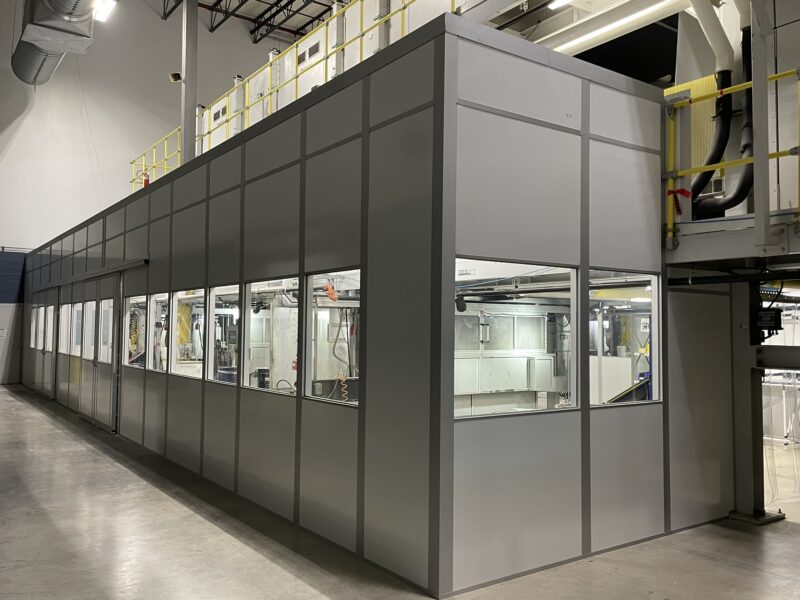
How Machine Enclosures Keep You OSHA Compliant
If an OSHA inspector walked your floor tomorrow, would you be ready?
The question alone is enough to make many manufacturers anxious, and not for no reason.
Machine guarding, for instance, has been on OSHA’s top 10 most cited violations list for over a decade, and it probably isn’t going anywhere.
So what can you do about it?
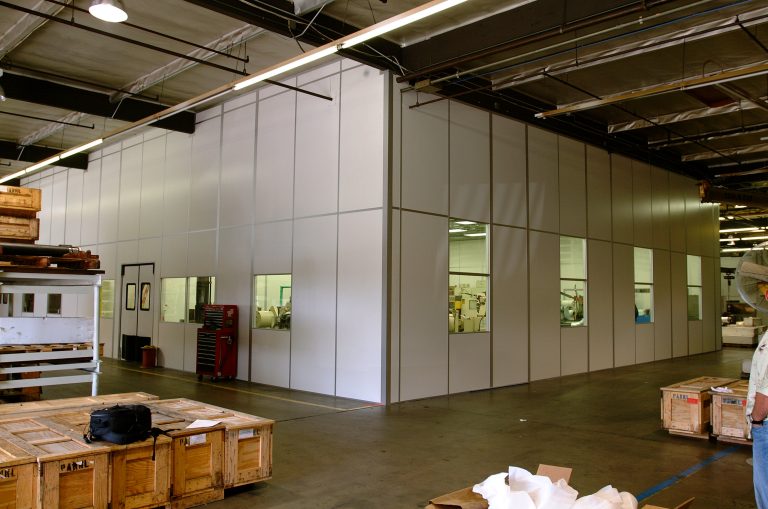
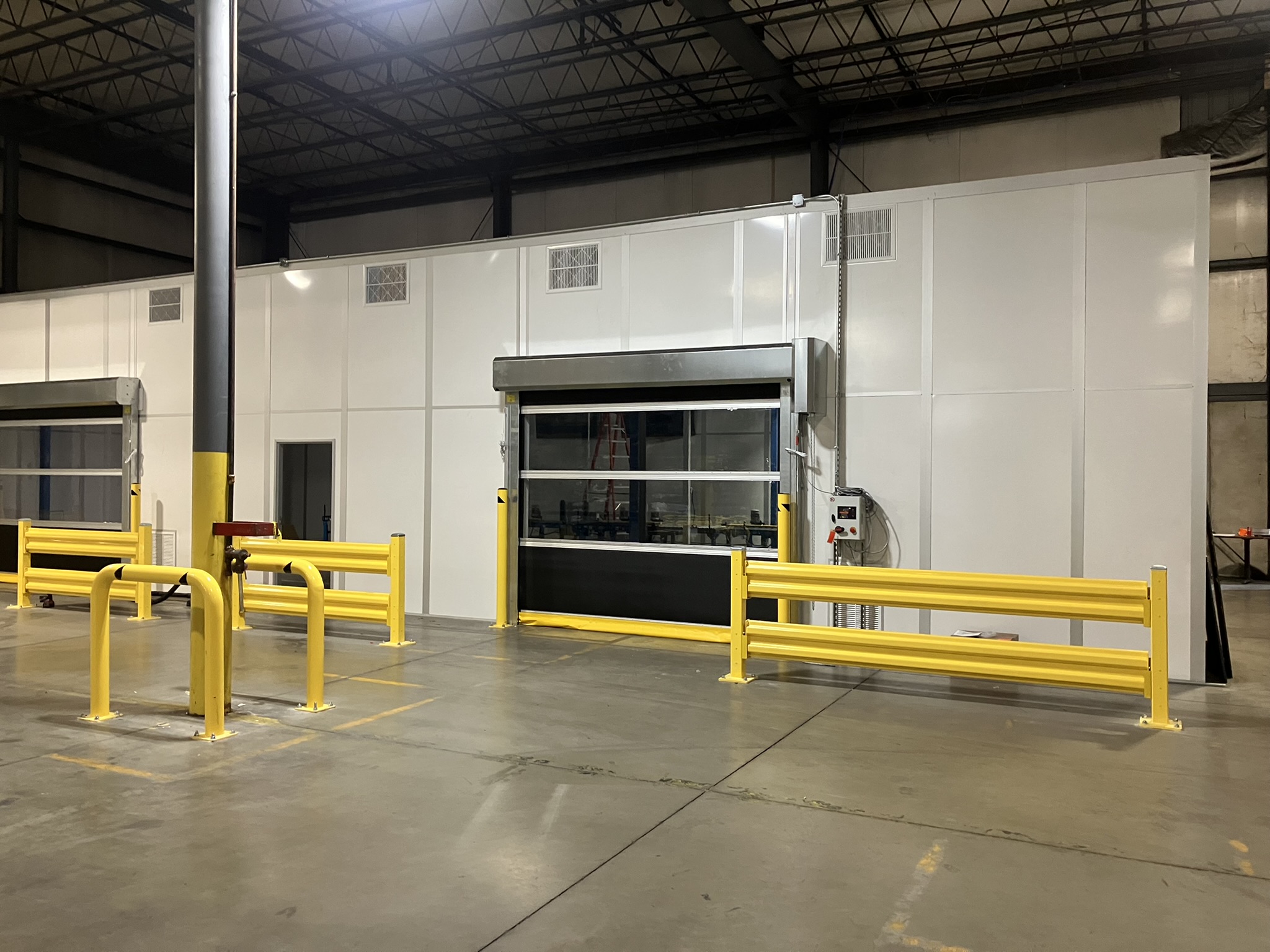
One of the most common ways to guard your equipment is with a machine enclosure, which is a modular structure built around it. It keeps the space around your machinery contained, and keeps people away from the dangerous parts while running.
And while guarding is the main reason most people look into enclosures, they can also address several different OSHA standards at the same time.
In this article, we’ll cover the machine guarding standard, the five OSHA compliance areas that enclosures can help with, and what features to look for when choosing one.
What OSHA Expects for Machine Guarding
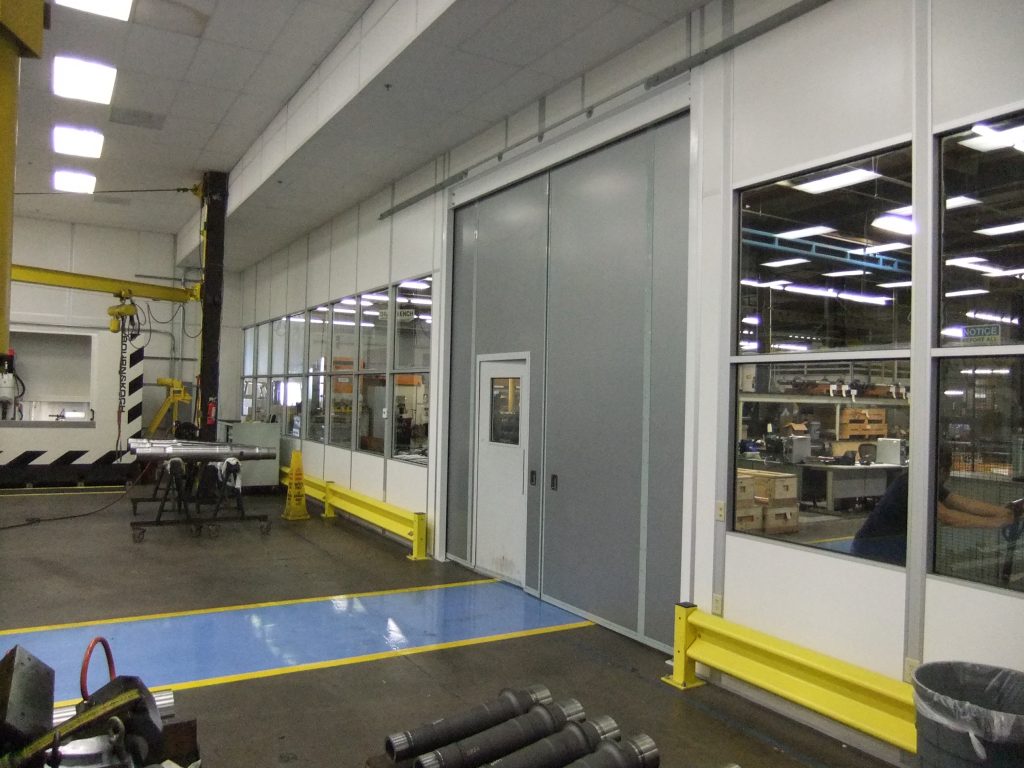
We won’t go line by line through the standard here, but the gist of 1910.212 is pretty straightforward. If a machine has parts that could hurt someone (rotating parts, flying chips, the point where work is being done on material), you need to guard it.
OSHA doesn’t tell you exactly what kind of guard to use. They just say it needs to actually prevent people from getting near dangerous areas while the machine is running, and it cannot create a new hazard on its own.
A machine enclosure is one of the most thorough ways to meet that requirement. This is especially true for CNC machines, where you’ve got high-speed moving parts, flying chips, coolant, and other ejected material happening all at once.
But as we mentioned, guarding is really just the starting point.
One Enclosure, Five Compliance Areas
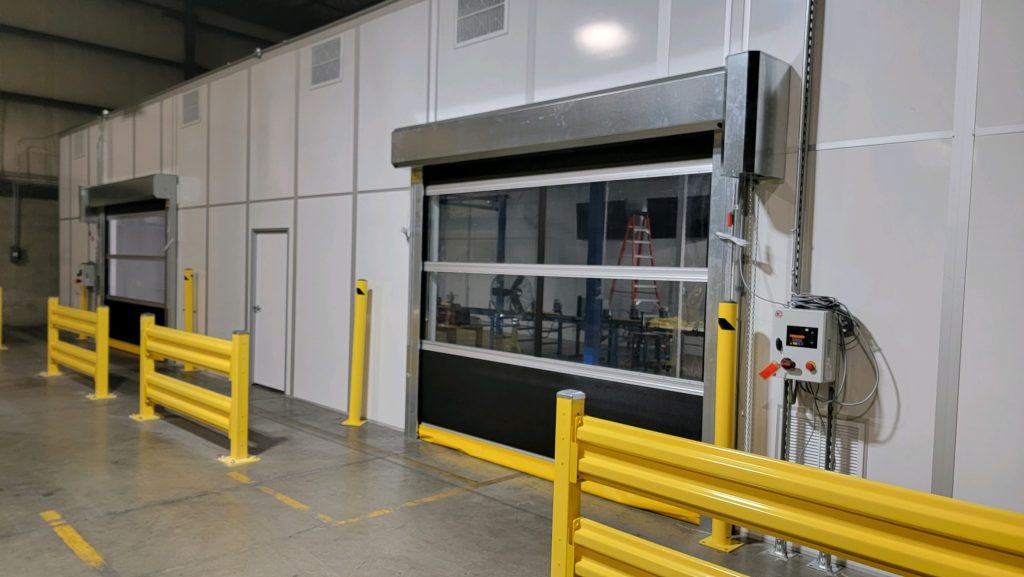
This is where it gets interesting. Most safety additions solve one problem, but a simple machine enclosure can solve several.
Machine guarding (1910.212): This is the most obvious one. The enclosure contains the cutting area, keeps debris inside, and with interlocked doors, can stop the machine from running while someone has access. It can be designed to protect both the operator and anyone else that is nearby.
Lockout/tagout (1910.147): This is one of OSHA’s most cited standards. In short, lockout/tagout is the set of procedures that make sure a machine is completely shut down and can’t accidentally start up while someone is working on it. OSHA requires written procedures, training, and documentation for this. Interlocked enclosure doors add a safety layer on top of all that.
Noise (1910.95): Everyone knows that machinery can be loud, especially in an open shop. Once you’re above 85 dB(A), OSHA requires a hearing conservation program, including audiometric testing, monitoring, training, PPE, etc. Machine enclosures with sound-absorbing materials can reduce noise at the source, and in some cases, bring it below that threshold entirely.
Air quality (1910.134): Sometimes tools like CNC machines can introduce a lot of debris into the air (like mist, dust from metals, or other fine particles). If you don’t contain it, you may need a full respiratory protection program. An enclosure with integrated ventilation keeps those contaminants at the place they’re created, which is exactly what OSHA wants you to do, i.e., fix it without respirators.
Slip and fall hazards (1910.22): These OSHA standards are easy to overlook, but coolant overspray and metal chips on the floor are a slip hazard and a workers’ comp claim waiting to happen. Machine enclosures help you keep all of that within the working area and away from walkways.
So, at least five compliance areas from one piece of equipment. That’s a pretty solid return.
What to Look for in a Machine Enclosure
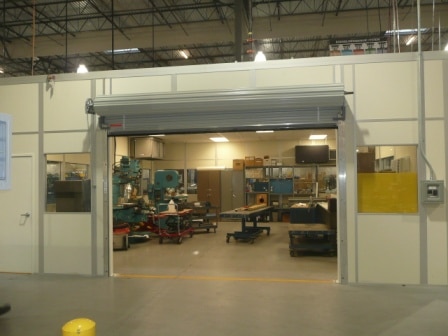
Of course, not every machine enclosure is the same. There are many different features they can have, some of which we’ve already mentioned. Here is a list of the most common:
- Interlocked doors, which prevent the machine from running while open (both mechanically and electrically).
- Enough structural strength to handle things like a broken tool or ejected part.
- Viewing panels, so that operators can watch the process without having to be exposed to it.
- Sound-absorbing materials and building techniques to reduce noise.
- Integrated ventilation/extraction to keep the air clean.
- Modularity, so it can be reconfigured or expanded if your layout or equipment changes.
- Temperature and humidity control to keep equipment running properly and reduce errors.
- Removable walls or roll-up doors for getting large equipment in and out.
- Interior lighting so operators and maintenance workers can see what they’re working on.
The Costs of Ignoring OSHA Requirements
Unfortunately, a single machine guarding citation can be up to $16,550. And if inspectors are already in the building, they’re not going to stop at only one standard. One visit can lead to citations for machine guarding, lockout/tagout, noise, and air quality.
What’s more, if someone actually gets hurt, you’re looking at mandatory OSHA reporting, a full facility inspection, workers’ comp, lawsuits, and lost production while everything gets sorted out.
As you might expect, a properly engineered enclosure costs a fraction of what one serious incident costs. And unlike fines and legal fees, an enclosure keeps working for you for years.
The Bottom Line: Where to Start
If you’re not sure where you stand, the first step is usually to walk around your floor and examine each piece of equipment honestly. Some questions you might consider are: Is the point of operation guarded? Could someone reach moving parts while the machine is running? Is noise a problem? Is coolant or debris winding up on the floor?
If the answer to any of those is yes, it’s worth looking into a machine enclosure. At MachineEnclosure.com, we design and build enclosure systems for manufacturing environments. Whether you would like to retrofit older equipment or set up new machines, we can help you figure out what makes sense for your space. Reach out today to get a quote on new buildouts.